Finding Comfort in Unity
 | October 21, 2025
Unity devoid of yiras Shamayim, unity that tramples Torah, is not the unity of Yerushalayim
T
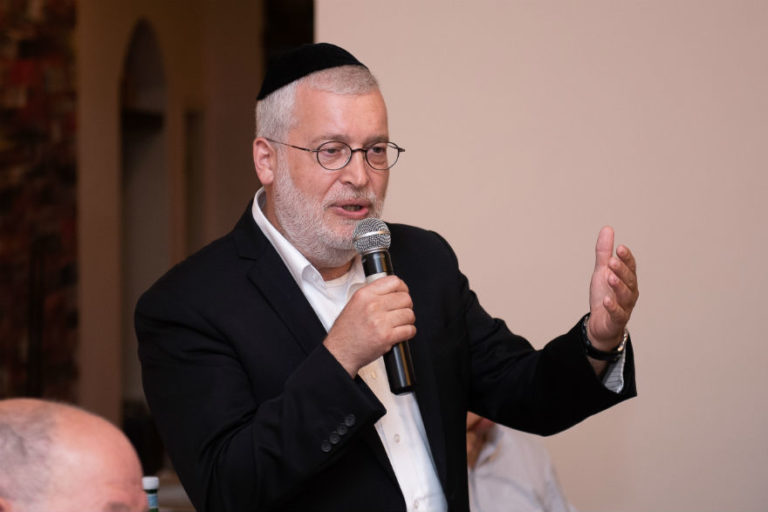
hree years ago, on Hoshana Rabbah night, I was invited by Rabbi Moshe Hauer to a shiur he delivered in the succah of Jerry Wolaski, one of his close chaveirim from Baltimore. The succah overlooked the Makom Hamikdash.
“Yerushalayim is the place of simchah,” he began. “And it’s also the place where we find comfort in times of mourning, lo aleinu.
“But why?” he asked. “What is so special about the simchah of Yerushalayim?
“Simchah is the opposite of mourning,” he explained. “Mourning comes from separation, while simchah is the experience of connection. Yerushalayim is the place where Klal Yisrael unites. It’s where Dovid Hamelech succeeded in uniting the entirety of Klal Yisrael. It’s the place through which we remind a mourner: Although you have lost one individual, you still belong to the family of Am Yisrael.”
Those words so perfectly reflected the man who spoke them — a person whose very being was devoted to Klal Yisrael. A man whose life’s purpose was a call to public responsibility, to kiddush Hashem, to the constant pursuit of Jewish unity, and to tireless efforts to mend the rifts that divide our people.
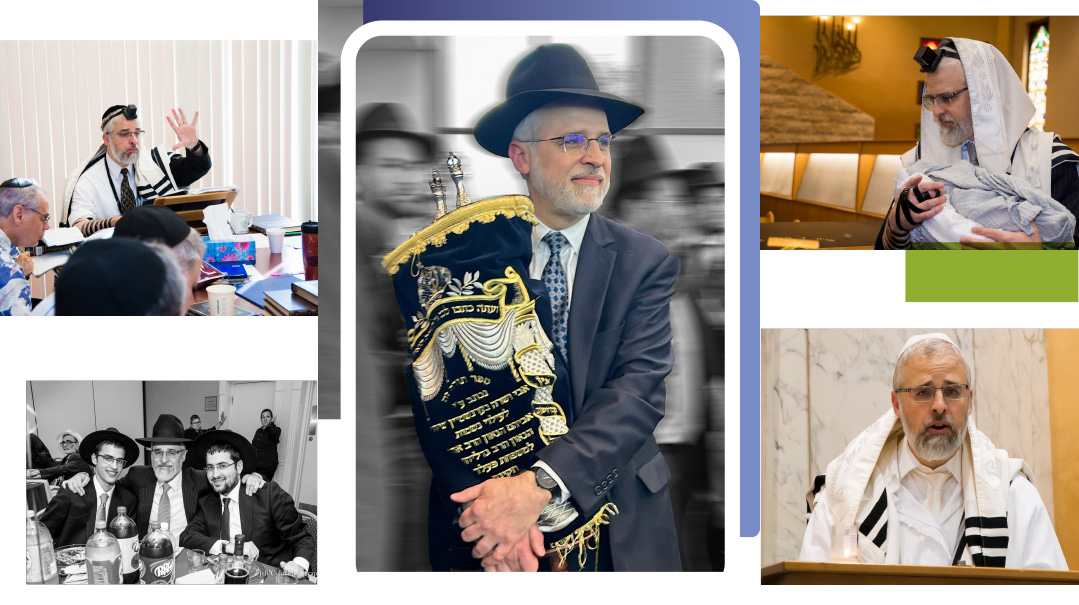
I first met Rabbi Hauer about a decade ago, during a visit to Baltimore. He impressed me immediately, not only because of his warm and magnetic personality and his stature as a talmid chacham, a posek, and a thinker of deep Torah insight, but also because of the remarkable way he led his community, the Bnei Jacob Shaarei Zion community. He wasn’t merely a devoted mara d’asra, but a man who constantly sought ways to spur his kehillah toward an increased sense of collective responsibility for Am Yisrael.
“The unity of Yerushalayim,” he explained in that shiur, “is also expressed in halachah…. When an am ha’aretz ascends to Yerushalayim for the festival, even he can be trusted in matters of tumah and taharah. At that time, he, too, is considered a chaver — a term Chazal used for one who eats chullin b’taharah, a careful and trustworthy Jew.
“Think how cautious we are not to eat in the home of someone whose hechsher we don’t rely upon. Multiply that concern countless times when it comes to tumah and taharah, which normally require keeping a respectful distance from those who are not chaveirim. But on the regel — kol Yisrael chaveirim.”
RELATED CONTENT
Individuals at every age and every stage somehow felt that Rabbi Hauer was “their person”
What is true beauty? Beauty is the imprint of the soul on the physical body — the aura and glow that the Torah imprints on a talmid chacham
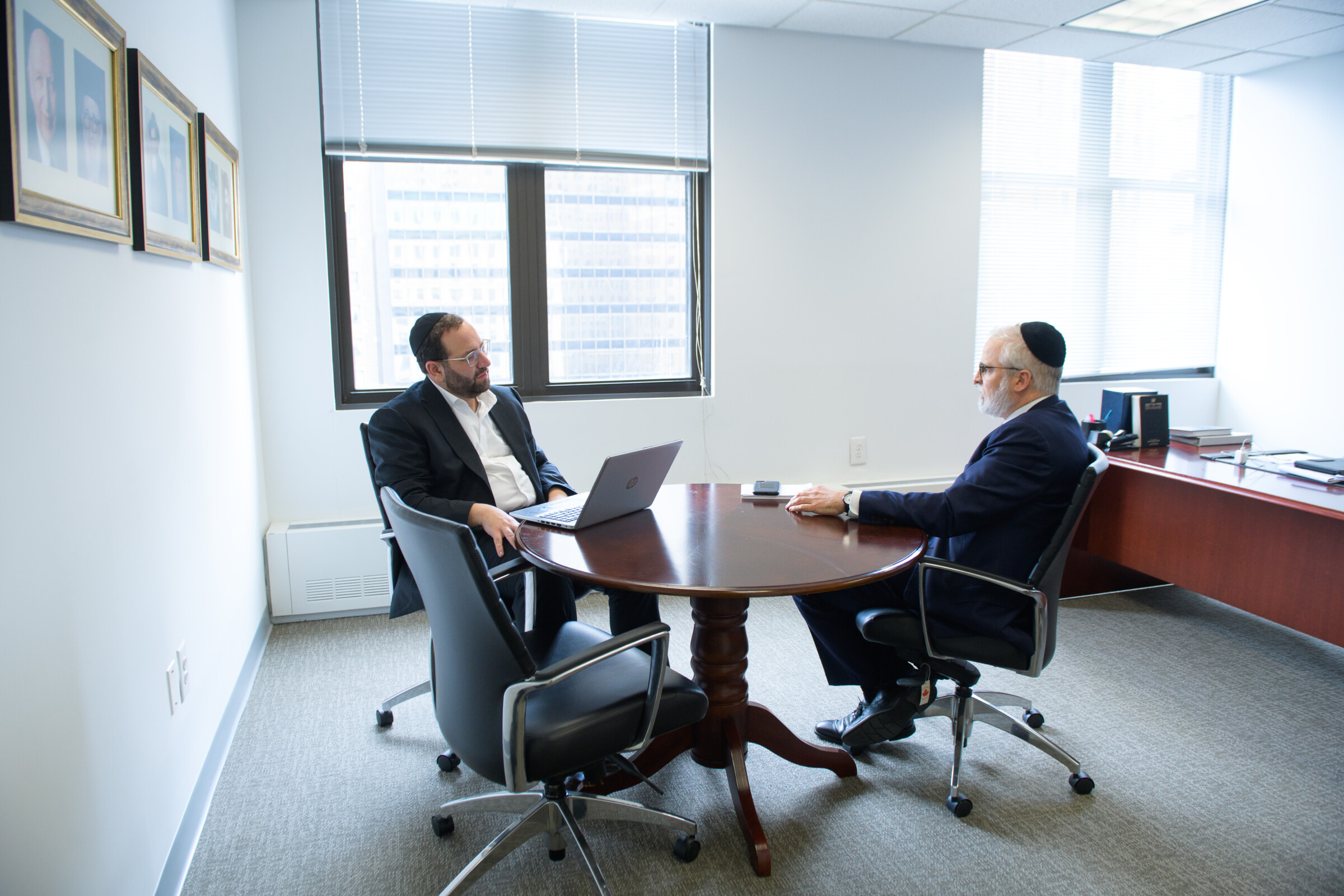
It seemed like in any area in which there was vulnerability, brokenness or despair, Rabbi Hauer was there — because that’s where the money is
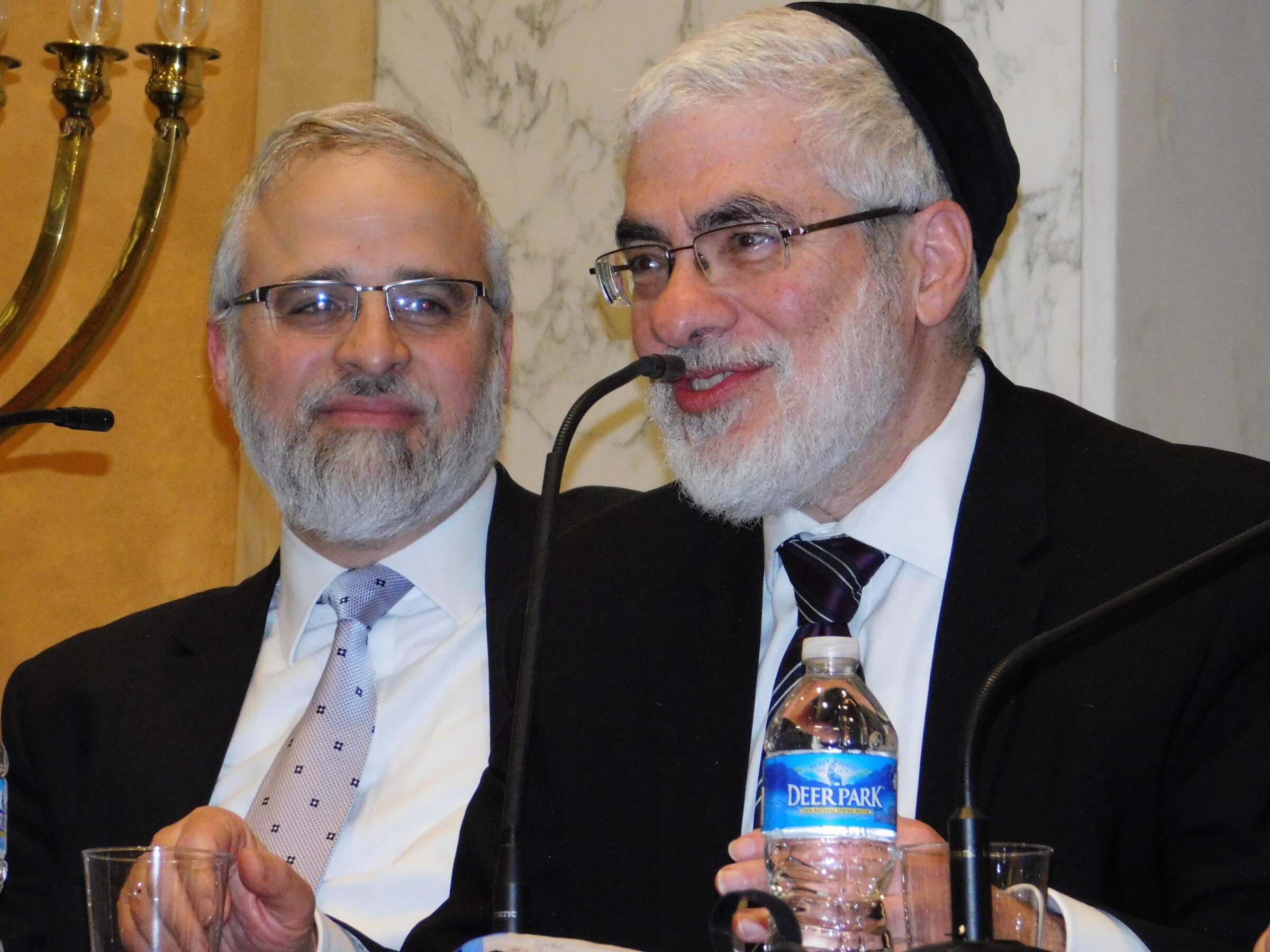
“I love Torah, and I’m acutely aware of how Torah transformed me, and I want to share that experience with others”
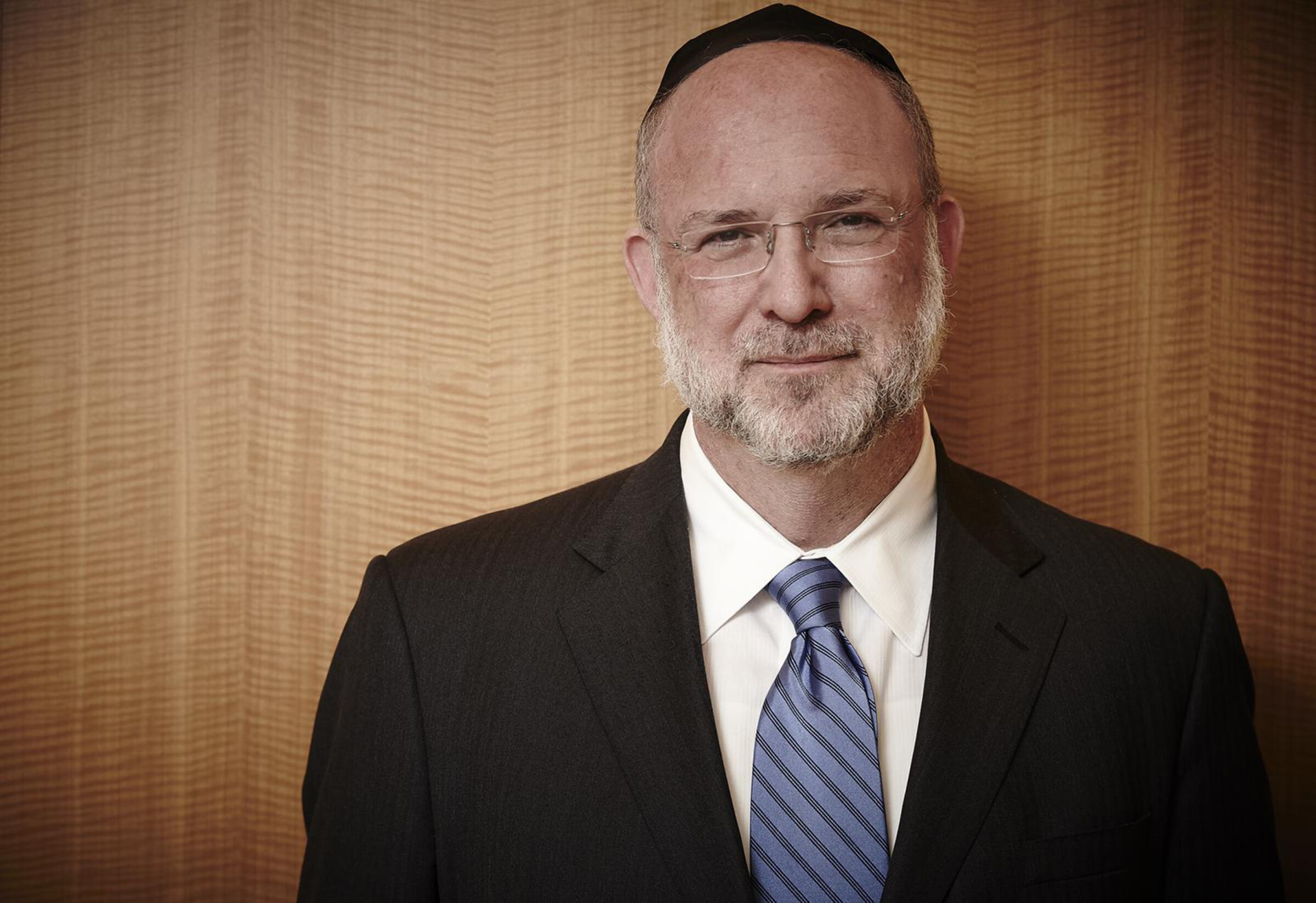
Rabbi Moshe Hauer ultimately turned to the mesorah he had received from our mutual rebbi, Rav Yaakov Weinberg