Carry On
| January 13, 2026In the world at large, people don’t understand the concept of eiruvin
E
iruv building can be a contentious activity. In the world at large, people don’t understand the concept of eiruvin (“It’s a symbolic enclosure, physically represented by a boundary of poles and strings… what’s so difficult to understand?”). When they do understand, it creates an entirely new set of concerns. Will the neighborhood change? Will the poles be an eyesore? What’s the cost to the taxpayer? It takes lots of valuable time to explain the concept of eiruvin, produce proof that I am authorized to do this work, and reassure residents that the eiruv won’t negatively impact their lives.
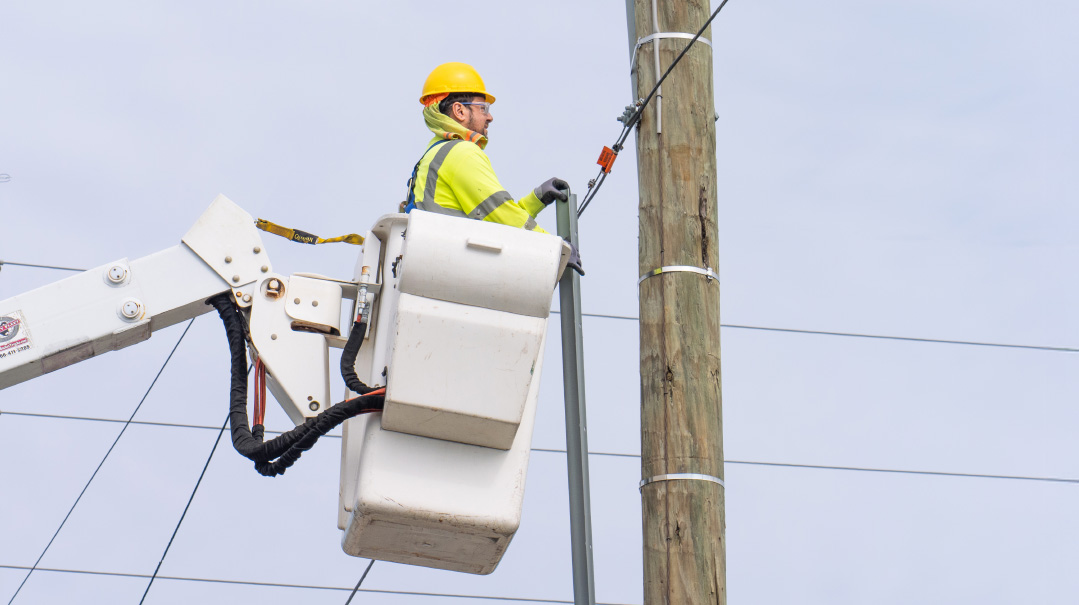
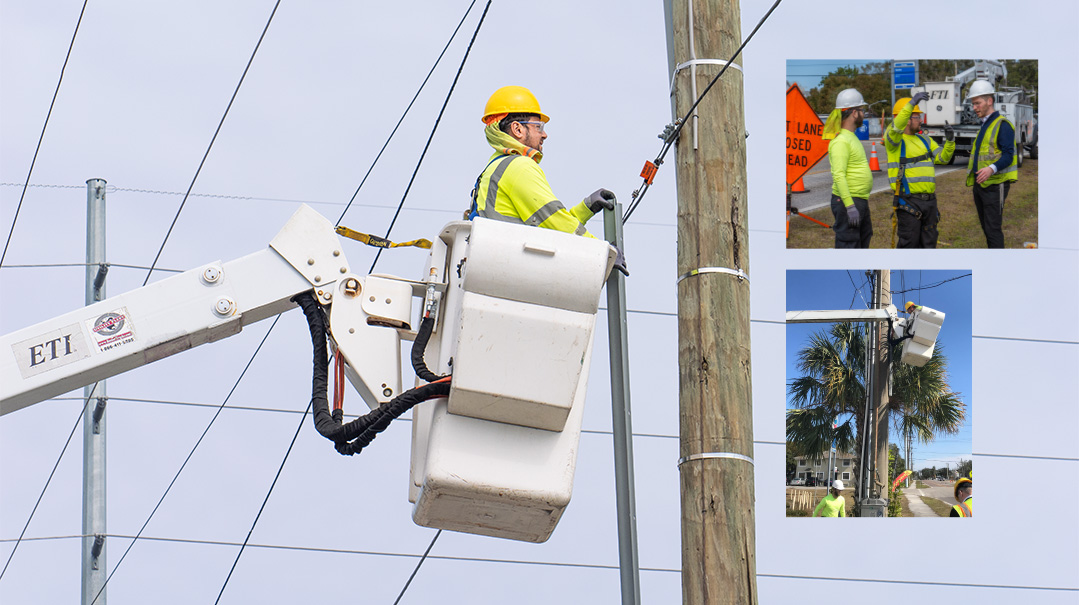
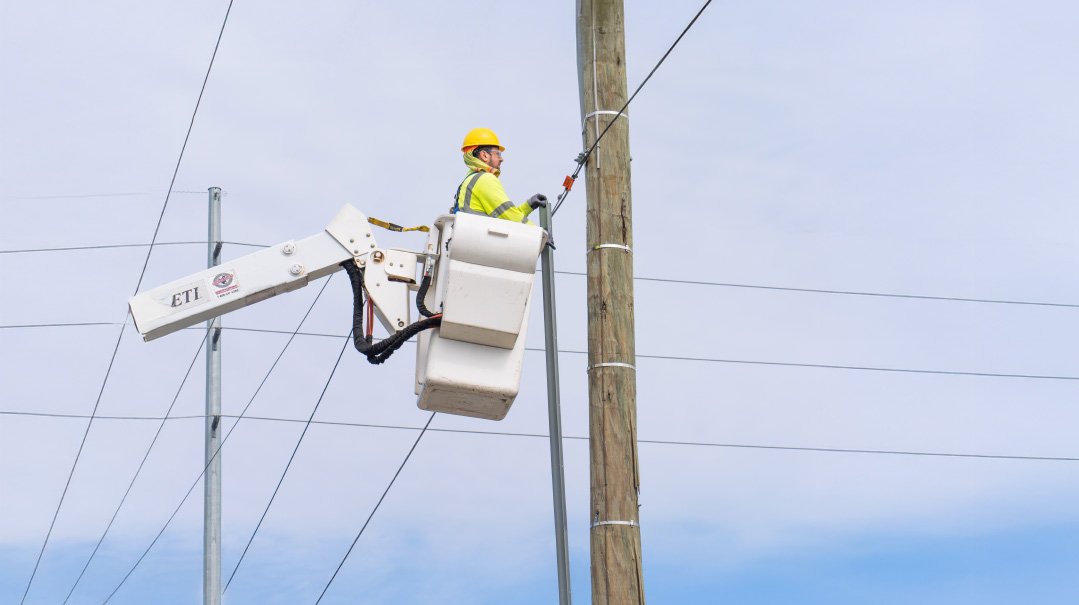
That’s why I would rather avoid being recognized as an eiruv worker. Instead, I prefer to be mistaken for a regular cable company worker. Tzitzis and yarmulke notwithstanding, I dress like any utility worker. My cargo pants, work boots, and yellow shirt afford me a degree of invisibility in cities across the US. People assume I’m just another Verizon worker, and I can usually get my work done without a second glance from homeowners. Usually.
It was a 90-degree day in this large, metropolitan city, and while I sweating buckets, I was happy with the upgrades I was giving the local eiruv — enclosing some newer Jewish neighborhoods meant the eiruv was more inclusive than it had been just weeks before. Two more days of work and the eiruv would be ready, just in time for an upcoming Shabbos bris in the newly enclosed area.
RELATED CONTENT
It amazes me that kashrus mashgichim are often expected to oversee eiruvin
“Rabbi, I’m going to need someone to help me tomorrow. Can you find me an assistant?”
“And zat is vy I chave concealed carry, you know. In case of trespassers!”
I clicked “Place Order” and exhaled slowly. Ordering materials for a new eiruv can get pricey
Nearly a year after the six families had moved in, our intensive efforts notwithstanding, there was still no eiruv