Faux Real
 | December 16, 2025
Are lab-grown diamonds the answer to the prayers of the cash-strapped or have they just changed the rules of the game?
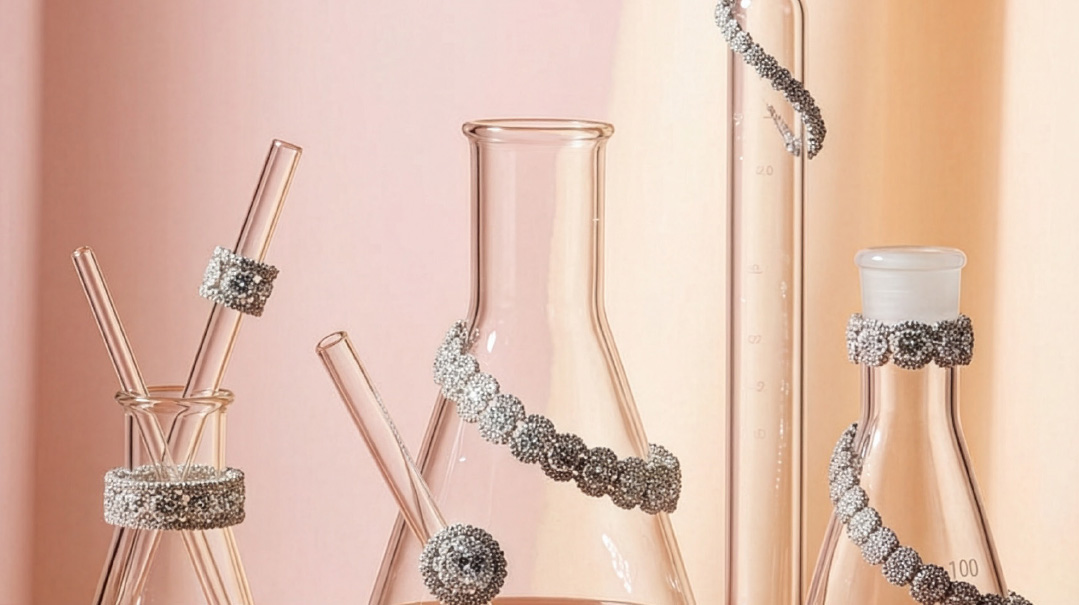
I lost the diamond from my engagement ring five years ago. My husband wants to replace it, but my attitude is, “Eh… I don’t know.” I have a complicated feeling about replacing it; mostly, why spend thousands of dollars on a rock that has no utilitarian purpose, when we should be saving for bar mitzvahs, camp, retirement, renovations? In the meantime, I wear an eternity band with my wedding band; it’s not like my hand is bare. But also, who really cares?
In the past year or so, I suddenly noticed that everyone around me seems to have come into a lot of money. Everyone and their Bandolier had a halo around their neck they wore casually with their Alo sweatshirts and denim skirts. Lots of women had huge eternity bands, too. Wait for the tenth anniversary — what for? Same goes for tennis bracelets.
The world was dripping in diamonds.
Was I missing something?
Reconciling my bare finger was suddenly urgent.
Natural Versus Man-made
Now, I’m sure there are plenty who can afford it, plenty who are in debt, and plenty more whose eye blinders didn’t reflect anything other than the growing popularity of lab-grown diamonds.
I was excited about the lab-grown option. Would they solve my should-I-
get-a-new-diamond existential question? (Yes, diamond dilemmas qualify as existential ones.)
My first question, though, was: What exactly is a lab-grown diamond?
To answer that, I’ll start with the lab-grown ancestor: natural diamonds. Those are the ones your mother… grandmother… and great-great-great-grandmother have (did they have diamonds in the shtetl? I don’t know, ask Yehuda Geberer). A diamond is created when carbon pieces buried deep below ground crystalize from exposure to heat and pressure over a period of thousands of years. At diamond mines around the world, these pieces of carbon are retrieved from underground and sent to be cut, polished, graded, sold, and set.
Then, in the 1950s, GE — yes, that GE — developed a way to mimic the conditions of pressure in the earth and produced a diamond in the lab. It possessed the same exact properties as a diamond — 100 percent carbon. Only thing was, the diamonds were really ugly.
So, while these lab-grown diamonds wouldn’t work for jewelry, they were perfect for manufacturing. (You do know that diamonds are used a ton in manufacturing, right? They’re the world’s hardest substance; they can cut but can’t be cut by anything other than another diamond, so they’re used to slice through many hard materials.)
Over the years, the technology for lab-grown diamonds improved. But they never made it to the jewelry scene because they weren’t pretty enough, and they were so expensive, might as well stick with natural.
That equation shifted about ten years ago, when the technology improved enough to finally produce diamonds pretty enough for jewelry. It took a few more years for the price to come down to where it was cheaper than natural stones and therefore worth it for the consumer.
RELATED CONTENT

What happens when classroom support for struggling students creates new problems?


Four women use junk to create a magical experience for a frum audience

A collection of very strong opinions about very small things

When a husband travels regularly for work, what’s it like for the family?