The Vault is Open
 | May 26, 2020
Famed gadol photographer Moshe Dovid Yarmish opens his vault of priceless gedolim photos, his iconic images of a nation’s leaders
H
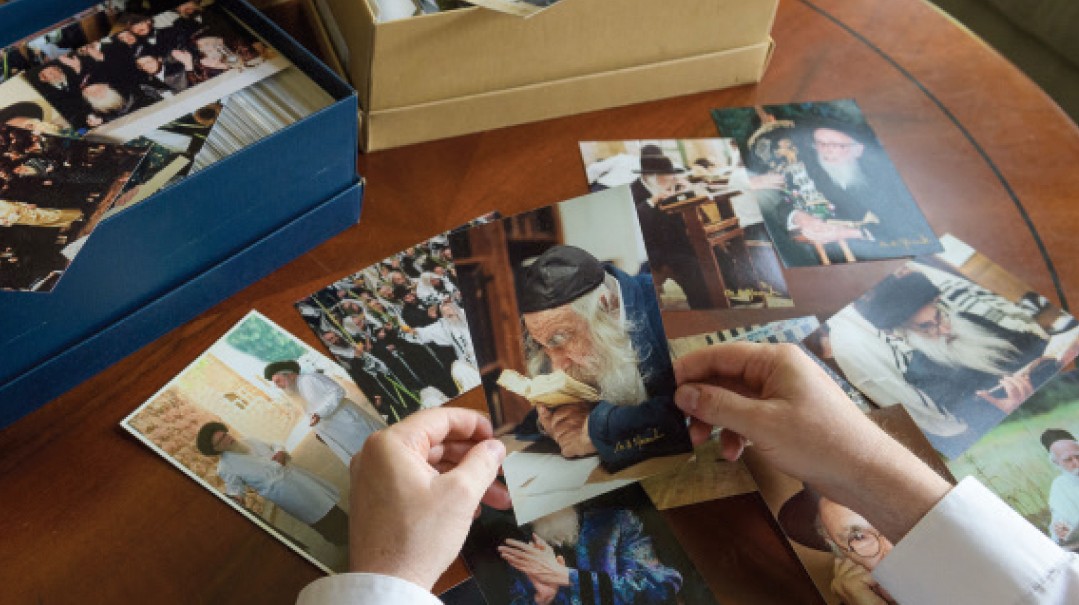
e works in finance, lives in an attractive Flatbush home, and when I first came to see him several years ago, he wasn’t sure what I wanted. Yeah, he had pictures, boxes of them, envelopes jammed with negatives, and maybe he would release them.
Someday. It would be nice.
I visited Moshe Dovid Yarmish before the 25th yahrzeit of Rav Moshe Feinstein and Rav Yaakov Kamenetzky, eager to speak with my host for a special tribute issue this magazine was planning.
It was clear to me then that the photographer didn’t really understand what his name meant to a child of the 80’s who grew up collecting, chasing, trading, shuffling rebbi pictures. Those photos are how we first learned of Chacham Ovadiah’s rounded hat and the Kaliver Rebbe’s colorful beketshes. The Belzer Rebbe stood out for his youth and Rav Moshe Feinstein’s yarmulke fascinated us — so, along with the rush of nostalgia comes respect for the names in the corners or backs of those pictures: Trainer Studios, of course, and the gold-script of M.D. Yarmish.
M.D. Yarmish himself laughed when I told him what he meant to us. He was never a celebrity photographer, meaning he’d never been part of the story. It was never about what he’d said to the gadol or how the gadol had reacted to him; in most cases, they didn’t even know what he was doing. He was a bochur enjoying himself, using the money that came in from the pictures to fund more picture-taking. As hobbies go, it was time-consuming and costly: he traveled to Eretz Yisroel to capture its giants but was able to pay his own way. When the Belzer Rebbe traveled to Montreal in the late 80’s, M.D. Yarmish was on site. As soon as the pictures were ready — and it took time back then, to send them out and daven and wait and hope — he took fresh prints to the Belzer shtibel in Boro Park and sold them, covering his travel expenses.
He was sitting on a treasure-house of pictures, I told him, and we parted amidst vague, laughing references to “someday,” that time when the vaults would open.
Time for Nostalgia
Then COVID-19 hit.
A Wall Street Journal article tried to make sense of the ensuing spike in baseball card prices, which had been stagnant for years. During the lockdown, the article explained, people suddenly had time to sort through old boxes and closets. A therapist suggested that people were desperate for the comfort of their childhoods, and the cards brought them back to a simpler time. “They’re reminiscing,” a collector and current baseball player commented. “A lot of this surge for non-vintage cards [comes from] people who are bored at home buying cards they couldn’t have when they were younger, totally nostalgia- driven.”
There is no index or price system for collector cards in the frum world, but nostalgia is universal. And if sports memorabilia is about childhood cravings, then gedolim pictures are about childhood dreams.
When the virus descended on New York, Moshe Dovid Yarmish — whose Wall Street office was closed — found himself with a bit of extra time and a sense that the people around him could use a boost.
Someday had arrived.
He started releasing not just photographs, but video clips — and who had video back then? Suddenly, locked into our homes, we could see Rav Moshe speaking in learning and Rav Shach on the steps following shiur klali, surrounded by an army of shouting talmidim. The Bluzhever Rebbe grasping a Torah in his frail arms against strains of the very niggun to which so many of his chassidim had walked to their deaths, and the Satmar Rebbe’s tearful hesped at Rav Moshe Feinstein’s levayah.
First through private correspondence and groups, and eventually, on social media, each new offering shot through the frum world like a meteor: a jolt of holy nostalgia, a reminder of the generals of a generation ago. It wasn’t just the luminous faces of tzaddikim that gripped us, it was the time — the people around them, the cars and furniture and worn seforim.
I suspect I’m not the only one who watched each clip more than once, looking for clues and finding the comfort Reb Moshe Dovid had hoped to provide.
RECOMMENDED



RELATED CONTENT
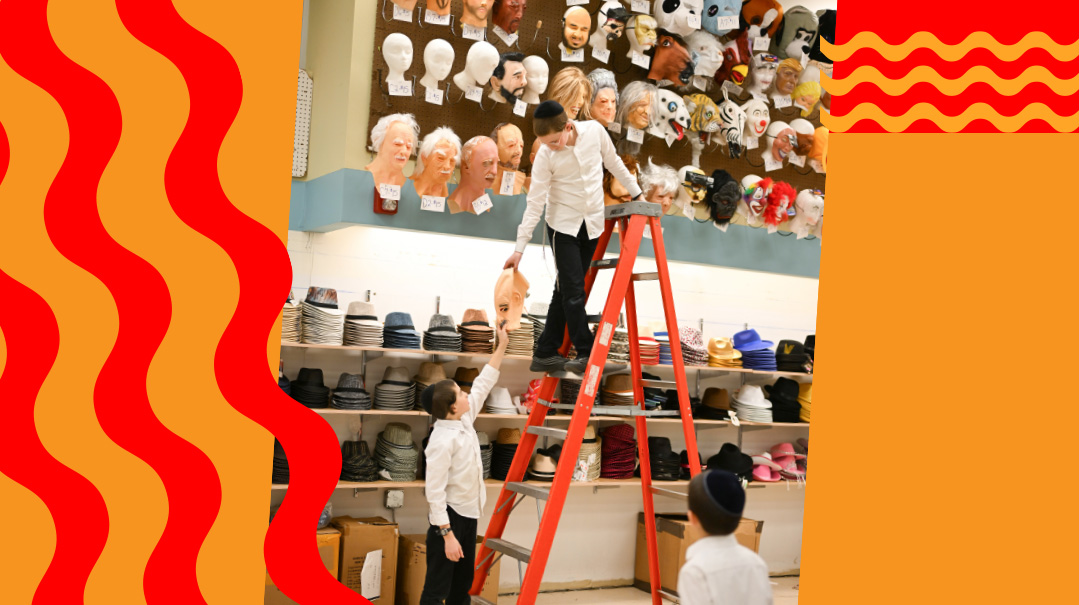
For the managers of this costume closeout and their masses of customers, it’s the Adar spirit with no window dressing
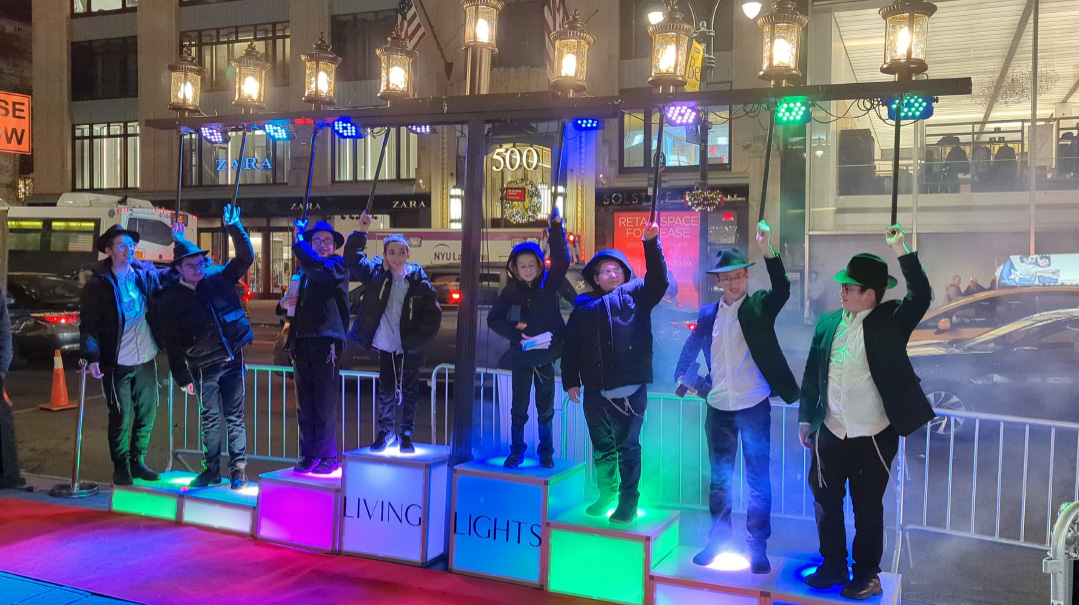
Artist Yitzchok Moully has upped his message: to make the Jewish flame visible in the public sphere
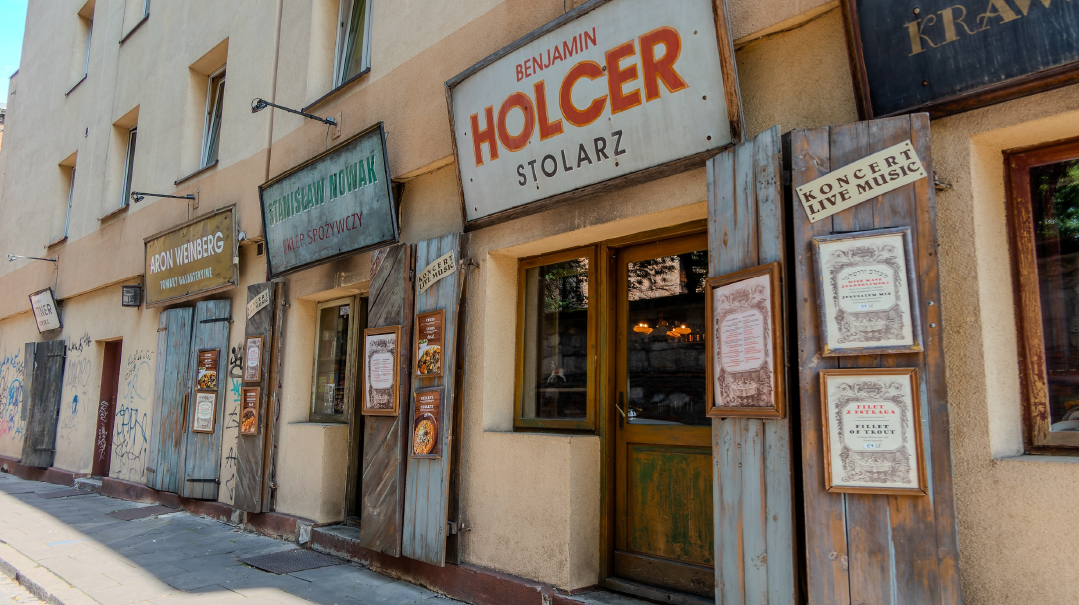
If Poland is one giant Jewish graveyard, then Krakow is the gravestone

For developer Akiva Zuravin, cranes on Jerusalem’s skyline are the next chapters in the eternal story
Dan Groover's street murals aren't only a fun pop of color, but windows for layers of meaning