Beyond the Canal
| March 10, 2026Jewish Panama may be known for wealth, but its real treasure is a Torah revival
Photos: Dirshu-Panama
Thirty-five years ago, when Rav Dovid Hofstedter joined efforts to save Toronto’s Torah institutions, people told him, “Go to your generous brothers in Panama.” And now, says the founder of Dirshu, “just look how the Ribono shel Olam repaid Panama. It’s become its own bastion of scholarship.” Today, Jewish Panama might be known for its outsized selection of kosher restaurants, but the real story is an ongoing Torah renaissance
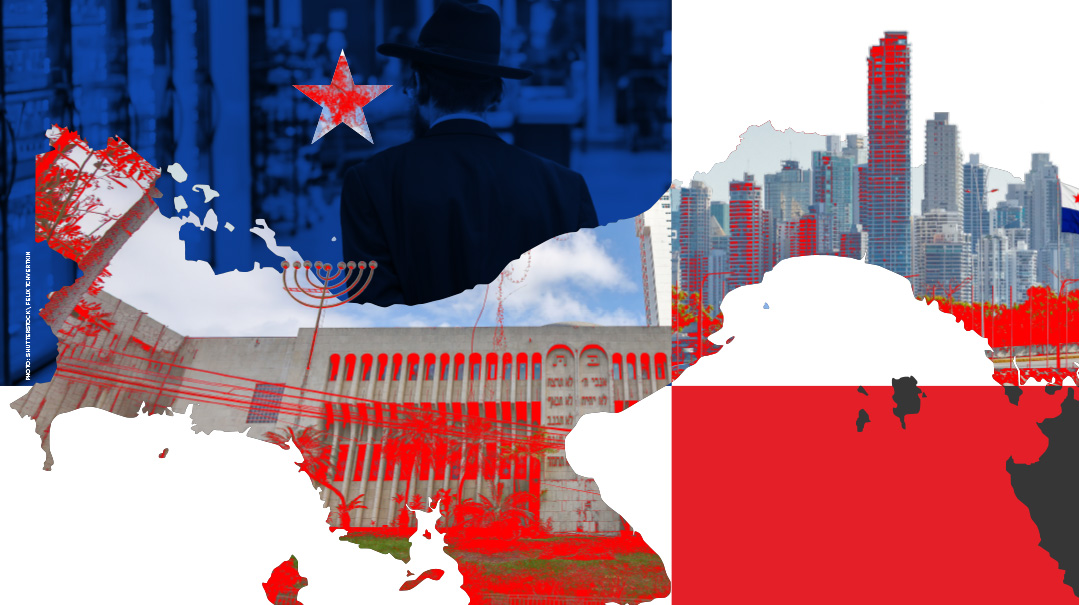
AT first glance, a visitor to Panama sees exactly what he’d expect from this Central American country, starting with year-round 90-degree temperatures and old-time Latin American charm, colonial-era hotels and endless opportunities to buy the country’s signature straw hats. But a broader look reveals some surprising elements, starting with the currency, US dollars, despite Panama’s status as an independent nation. Then there’s the enigma of the mezuzah on each door of the Miraflores Visitor Center for tourists looking to learn more about the isthmus’s famous canal, and Panama’s outsized selection of kosher restaurants, all of which provides clues to the threads that make up the fabric of this growing community.
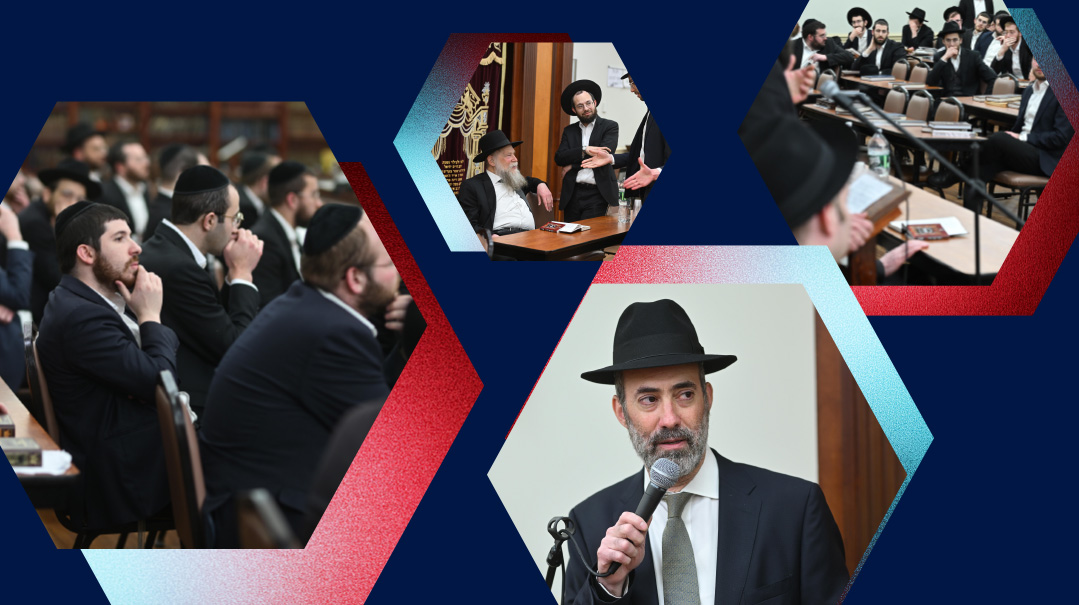
But these curiosities aside, the community’s most substantive accomplishment is a thriving cohesive kehillah in the midst of an ongoing Torah renaissance, which was prominently showcased at the recent Dirshu event, “Maamad Ahavas Hatorah.” The event drew together hundreds of local yeshivah talmidim, kollel avreichim, and balabatim for an evening of inspiration. While the event was officially billed as a siyum on Maseches Pesachim in Dirshu’s Amud Yomi program, which has many members in Panama, it was also a tangible statement of how far the community has come.
Rabbi Eli Mansour, who leads the Edmond J. Safra congregation in Flatbush, was the guest speaker, and he reflected back on his first visit to Panama 25 years ago, when Chacham Levy, the first rav of the community, brought him to deliver a talk encouraging people to take up more basics of mitzvah observance.
“There were no kids in white shirts there, no talmidei chachamim, no Jewish music. Who would believe that this is only one generation later?” he said. “Now the discussion is daf yomi or amud yomi, different sh’eilot.”
Rabbi Monsour went on to sum up the transformation with a quip Chacham Levy had shared with him all those years back. “He said, ‘You know what Panama (in Hebrew letters) stands for? Po nimtza mamon harbei.’
“If he were here tonight, he would have said [it stands for] po nimtza matan haTorah.’ ”
RELATED CONTENT
Rav Yitzchak Biton and his wife, Tamar, have become powerful symbols of faith for a nation under fire

A former financial wiz bridges the gap between virtual reality and eternal content
The Pnei Menachem's youngest child opens a rare window into his father’s mesirus nefesh for his chassidim — and for every Yid
A world where information becomes currency and the future carries a price tag