A Song that Never Ceases
 | October 6, 2014
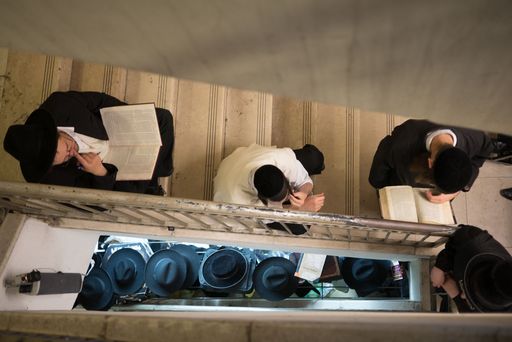
In a pocket of Jerusalem marked by narrow streets and sparse greenery lies a spiritual empire. It’s a pulsing organism, a patchwork of the Jewish nation, a universe all its own. Built with sweat and tears, watered with devotion and prayer, sustained by a force beyond nature. Filled with acclaimed giants, dotted with earnest strivers, enlivened by the most colorful characters. Mir Yerushalayim of 2014, captured in the course of twenty-four hours.
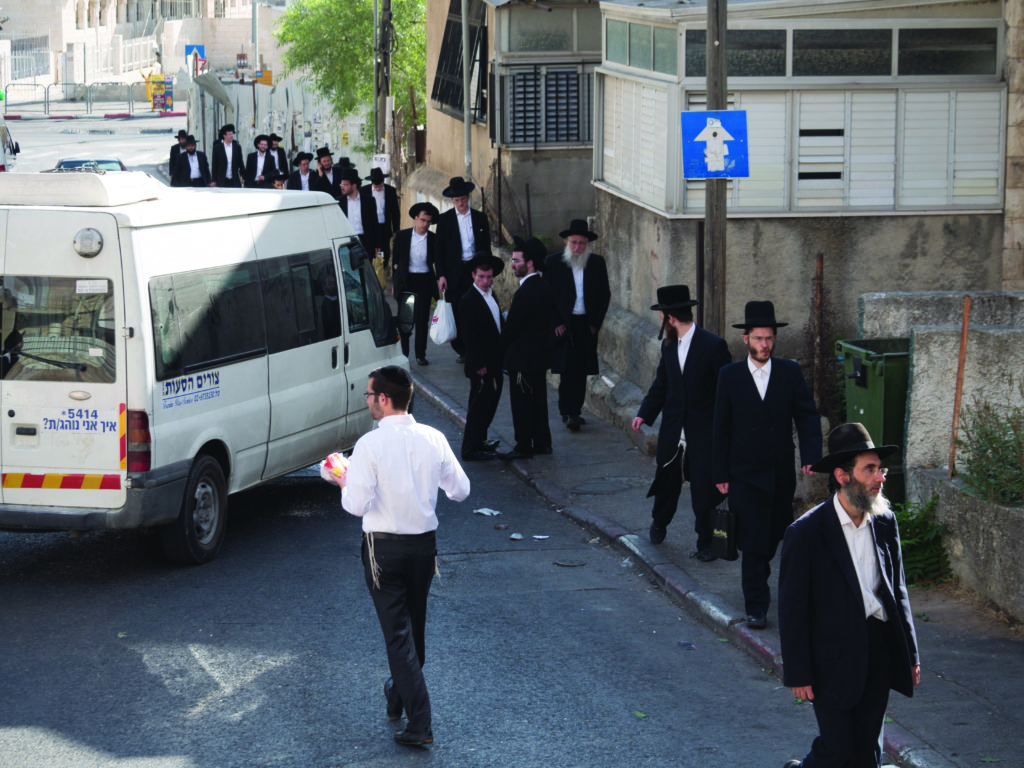
Morning
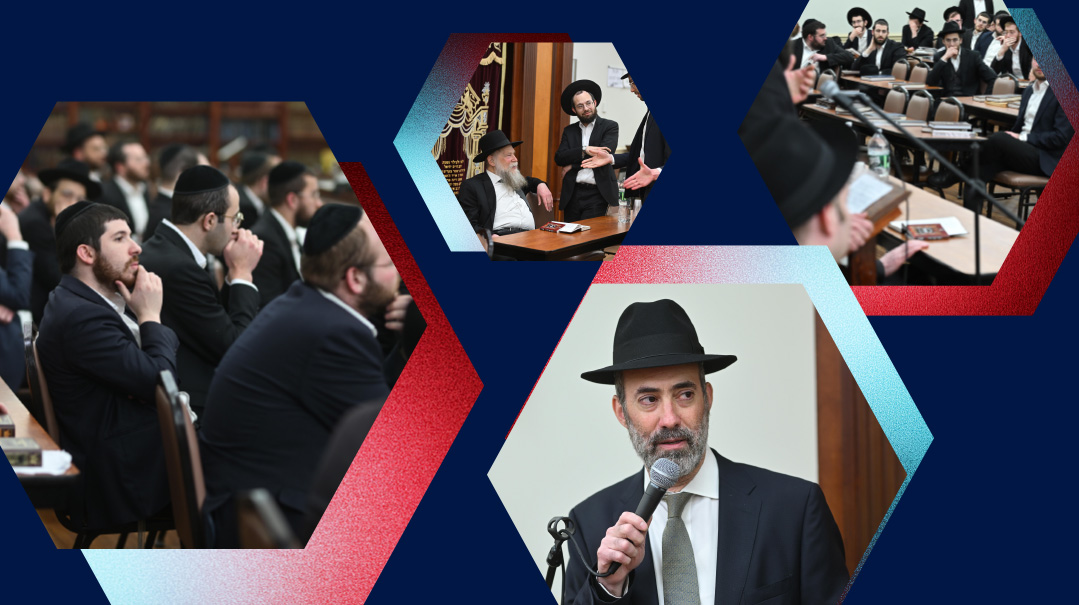
At eight in the morning, the Beis Yisrael neighborhood is slowly coming to life. Little boys and girls scurry off to school, laundry drips dry on the lines overhead, shop owners open their stores. Inside the local minyan factory, the “shtieblach,” the daily rotation of prayers is underway. But you can sense that the streets are waiting, twitching to the tick of an invisible clock. And then, just before nine, the flood begins. Stream after stream of men pour into the narrow streets, thousands of them. They stride purposefully, converging upon the seven stone buildings where they will spend their day engaged in the holiest of pursuits. Their voices will fill the neighborhood with life; their learning will fill its people with pride. It’s another morning in Yeshivas Mir, another chapter in the miraculous saga of the Jewish people’s survival.
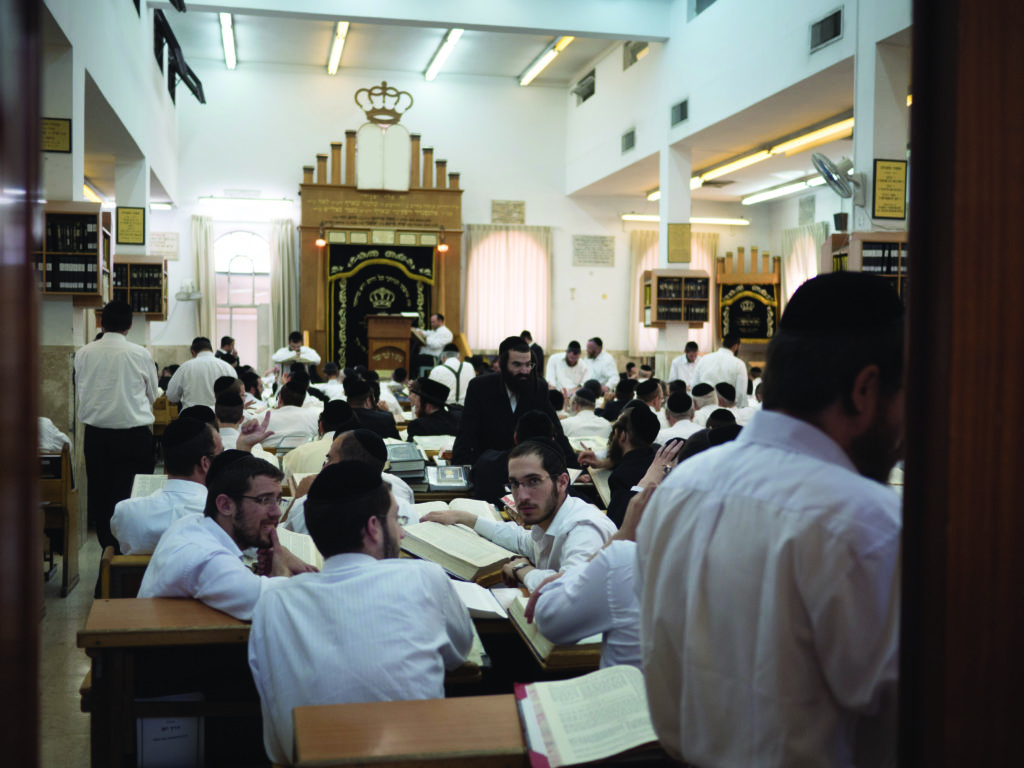
First Seder
The yeshivah takes its name from a Polish town. Its spirit was transplanted to the soil of Jerusalem by Rav Lazer Yudel Finkel ztz”l, who reestablished the yeshivah with an uncertain future ahead. From a small nucleus of talmidim, the yeshivah today is an empire counting over 8,000 . The flagship building still stands on its corner of Beis Yisrael and Shaarei Shamayim Streets, but six additional buildings stand alongside – the dreams - turned - reality of Rav Nosson Tzvi Finkel ztz”l, the previous rosh yeshivah who opened the gates of the yeshiva even wider, welcoming anyone who yearned to join. And join they did. Litvaks, Chassidim, Sephardim, Ashkenazim, Americans, Europeans, Australians, South Africans, and Israelis all find their home in the Mir, with a spectrum of shiurim and chaburos that branch in all directions of Torah growth. Diversity is part of the fabric; the desire to learn and grow is enough of a common denominator to override any surface differences.
RECOMMENDED
RELATED CONTENT
Jewish Panama may be known for wealth, but its real treasure is a Torah revival
Rav Yitzchak Biton and his wife, Tamar, have become powerful symbols of faith for a nation under fire

A former financial wiz bridges the gap between virtual reality and eternal content
The Pnei Menachem's youngest child opens a rare window into his father’s mesirus nefesh for his chassidim — and for every Yid