fbpx
Sarah Chana Radcliffe

Sarah Chana Radcliffe

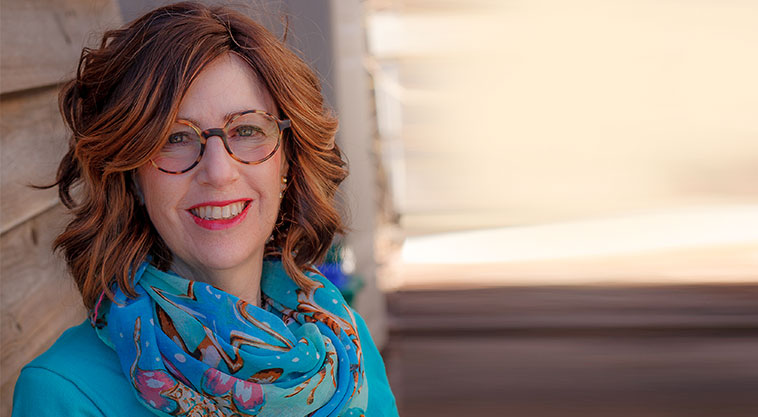
Sarah Chana Radcliffe, M. Ed., C. Psych., is a psychologist in private practice in Toronto, Canada and weekly family-life columnist for Family First. She is the author of the HarperCollins Publications “Raise Your Kids without Raising Your Voice” and “The Fear Fix,” as well as seven books on Jewish family life and emotional well-being, including her most recent publications “Make Yourself at Home” and “Harmony at Home.” She is also the author of the e-book “Better Behavior Now!” and the creator of the popular “Daily Parenting Posts” email for parents. She conducts online webinars through Jewish Workshops on parenting, marriage and mental health, speaks locally and internationally on these topics, and counsels parents, couples and individuals. To learn more, visit her website at www.sarahchanaradcliffe.com.

LATEST ARTICLE
Connections
Tuesday, March 10, 2026

Archive
Family Reflections
Wednesday, April 18, 2018
Make your home an emotionally safe place to be real
Family Reflections
Wednesday, April 11, 2018
Even blamers can learn new ways of coping with frustration
Family Reflections
Wednesday, March 28, 2018
Pesach is a reflection of our lives — and the chance to better it
Family Reflections
Wednesday, March 21, 2018
Help your kids navigate change consciously and carefully
Family Reflections
Wednesday, March 14, 2018
Validation, not defense, is what rebuilds a relationship
Family Reflections
Wednesday, March 07, 2018
Realistic expectations of marriage is the key to success
Family Reflections
Wednesday, February 28, 2018
The perfect mother? How did she pull that off?
Family Reflections
Wednesday, February 28, 2018
Agree with your inner critic to defuse its power
Magazine Feature
Wednesday, February 14, 2018
How to handle your child’s tantrums without losing your cool, plus when emotional outbursts are a sign of a bigger problem
Family Reflections
Wednesday, February 14, 2018
A burned-out parent can’t take care of anyone
Family Reflections
Wednesday, February 07, 2018
Acknowledge your child’s pain — but don’t try to fix it